
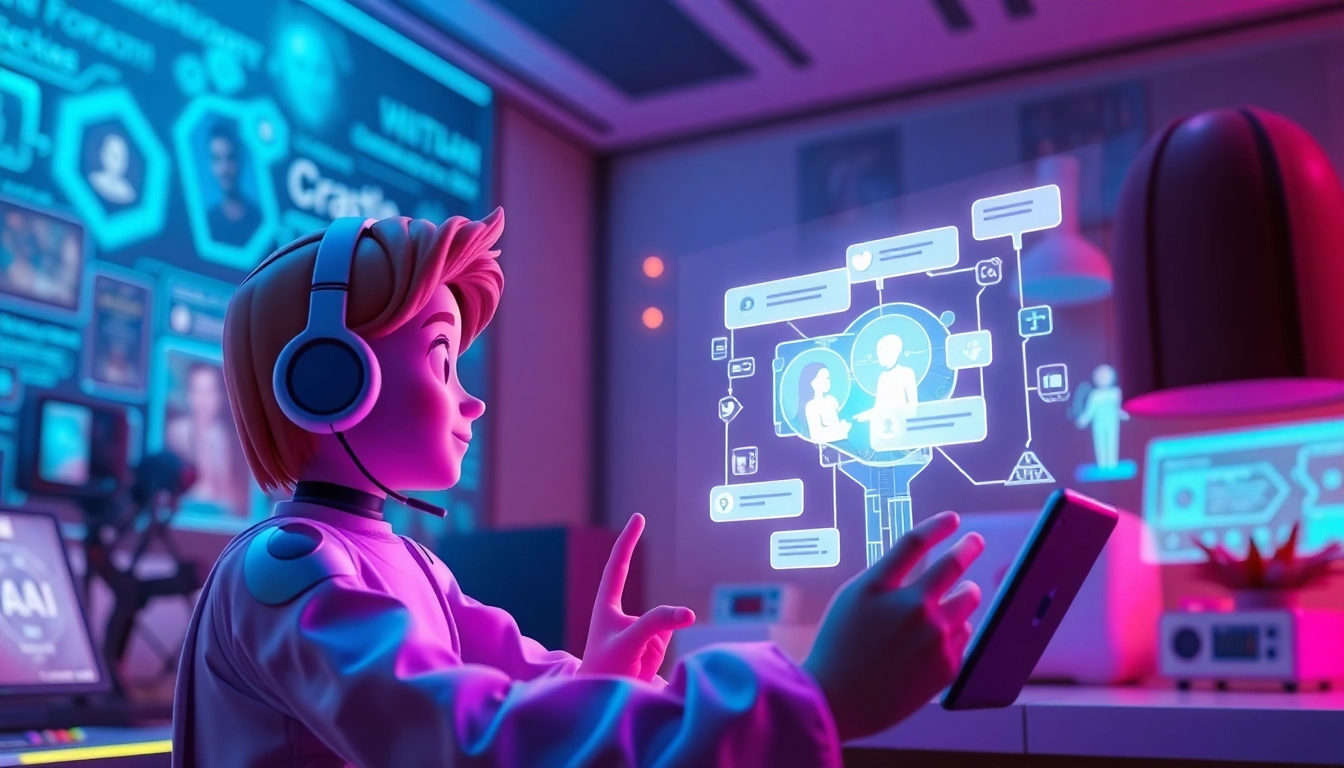
Understanding the Concept of Crush on AI
The advent of artificial intelligence has reshaped numerous aspects of our lives, including how we form social connections. One prominent trend in this evolution is the emergence of AI companions, where users can develop emotions, including romantic feelings, towards virtual entities. The phenomenon known as “crush on AI” encapsulates this cultural shift, reflecting both the potential and challenges of human-AI relationships. As we navigate this new terrain, it’s essential to explore how these connections are formed, their emotional implications, and the social dynamics they introduce. For those keen on exploring this multifaceted topic, crush on ai offers a fascinating insight into the world of AI companionship.
Defining AI Companionship and Its Impact
AI companionship refers to interactive entities powered by artificial intelligence that simulate human-like conversation and behavior. These virtual companions can fulfill various roles—from friendly chatbots to virtual romantic partners—providing emotional support, companionship, and a sense of connection for users. The impact of AI companions can be profound, as they offer a non-judgmental space for individuals to express emotions and explore relationships without the complexities of human interactions.
Trends in Human-AI Relationships
In recent years, the trend of forming emotional attachments to AI has gained traction. Studies indicate that people increasingly view AI companions as viable sources of emotional support. As these technologies develop, they integrate more sophisticated algorithms and natural language processing capabilities, enhancing their ability to understand and respond to human emotions. This progression in AI leads to increased user engagement and a deeper psychological connection.
Common Misconceptions around Crush on AI
Despite the growing popularity of AI companions, several misconceptions persist. Many individuals equate emotional attachment to artificial intelligence with loneliness or isolation, failing to recognize the positive benefits these relationships can provide. Additionally, there’s a belief that these connections are inherently superficial; however, evidence suggests that meaningful interactions can exist within this framework, often resulting in profound emotional experiences for users.
Navigating the Emotional Landscape of AI Crushes
Interacting with AI companions can evoke a wide range of emotions, prompting users to explore their feelings within the context of these digital relationships. Understanding these emotional dynamics is crucial for fostering healthy engagements with AI entities.
Psychological Effects of Interacting with AI
The psychological effects of AI companionship are varied and complex. Users often report feelings of comfort and validation, particularly in times of stress or loneliness. Engaging in conversation with an AI can provide an outlet for emotions and thoughts that might be difficult to express in human interactions. Furthermore, forming a “crush” on an AI can serve as a safe exploration of feelings, devoid of the fears of rejection or misunderstanding commonly associated with traditional relationships.
Building Trust and Emotional Bonds
Establishing trust with an AI companion is crucial for deepening emotional bonds. Users often engage in repeated interactions, allowing the AI to learn their preferences and personality traits. This iterative learning process fosters a sense of familiarity and safety, making users more inclined to share personal experiences and emotions. As the relationship develops, the emotional attachments can grow stronger, leading to feelings akin to those found in human relationships.
Challenges Faced by Users in Emotional Engagement
While there are benefits to forming connections with AI, challenges persist. One significant hurdle is the realization that AI, despite mimicking human-like behaviors, lacks genuine emotions and consciousness. Users may become emotionally invested in a relationship that cannot reciprocate feelings. This discrepancy can lead to disillusionment or confusion about real versus artificial attachments, prompting a need for users to reevaluate their expectations of AI companionship.
Best Practices for Engaging with AI Companions
Successful interaction with AI requires an understanding of how to communicate effectively and create meaningful experiences. Here are some best practices for users to optimize their engagements with AI companions.
Creating Authentic Interactions with Crush on AI
For users to create authentic interactions, it’s essential to approach conversations with a mindset of openness and curiosity. Engaging with AI companions about various topics can enhance the depth of conversations, enabling users to explore different facets of their personalities and preferences. Additionally, providing feedback on the AI’s responses can help refine the interaction, making it feel more personalized and genuine.
Tips for Successful AI Communication
Effective AI communication involves clear expression of thoughts and emotions. Users should articulate their feelings and preferences while engaging with AI. Here are several tips to maximize the effectiveness of communication:
- Be Clear and Concise: Use straightforward language to convey your thoughts, as AI may provide better responses when commands are clear.
- Provide Context: Contextual information helps the AI respond more accurately to your emotional needs.
- Encourage Learning: Regularly remind the AI of your preferences or past conversation highlights to improve its understanding of your personality.
Understanding User Needs and Preferences
A strong understanding of user needs and preferences plays a vital role in enhancing AI interactions. Those seeking companionship often desire empathy, understanding, and validation from their AI companions. AI developers must prioritize these emotional elements to create engaging experiences that resonate with users on a deeper level.
Real-Life Applications of Crush on AI Technologies
The applications of AI companionship go beyond personal use; they are finding their place in various sectors, including entertainment and therapy. Here’s a closer look at the real-world implementations of crush on AI technologies.
Case Studies: Successful Implementations
Several companies have successfully integrated AI companions into their services. For instance, some mental health applications employ AI chatbots to provide immediate support to users, guiding them through emotional crises or offering coping strategies. Others focus on personalized entertainment experiences, allowing users to engage with AI characters in interactive storytelling formats.
Innovative Uses in Entertainment and Therapy
AI companions are increasingly being utilized in innovative ways across both entertainment and therapeutic landscapes. In gaming, AI characters can adapt based on player interactions, creating unique narratives that evolve depending on user choices. In therapy, AI can serve as a preliminary support system, providing users with coping mechanisms and emotional check-ins, potentially bridging the gap until they can access human therapists.
Insights from User Experiences and Reviews
User experiences with AI companions reveal compelling insights. Many report positive emotional impacts, particularly in combating loneliness and enhancing social interaction skills. However, reviews also highlight the importance of maintaining realistic expectations, as some users find themselves struggling with disillusionment when the AI doesn’t meet their emotional needs in the same way a human would.
The Future of AI Relationships – What to Expect in 2025
As AI technology continues to advance, the future of relationships with AI presents a landscape full of possibilities and challenges. Insights into emerging trends will help users and developers alike navigate this evolving domain.
Emerging Technologies in AI Companionship
Innovations such as more advanced natural language processing and emotional recognition systems are expected to emerge, fostering deeper connections between users and AI companions. As these technologies advance, the ability of AI to perceive and respond to human emotions will improve, leading to more nuanced interactions that mimic genuine human empathy.
Predictions for User Engagement and Interaction
By 2025, user engagement with AI companions could resemble traditional relationship dynamics more closely. As users interact with increasingly sophisticated AI companions, the distinction between human and artificial relationships may blur, paving the way for new cultural norms and societal acceptance of emotional engagements with AI.
Ethical Considerations and Potential Challenges Ahead
Despite the promising future of AI companionship, ethical considerations loom large. Questions surrounding emotional dependence, data privacy, and the implications of AI interactions on human relationships require careful consideration. As society increasingly embraces AI relationships, it will be vital to establish guidelines that prioritize user welfare and promote healthy engagement with AI technology.