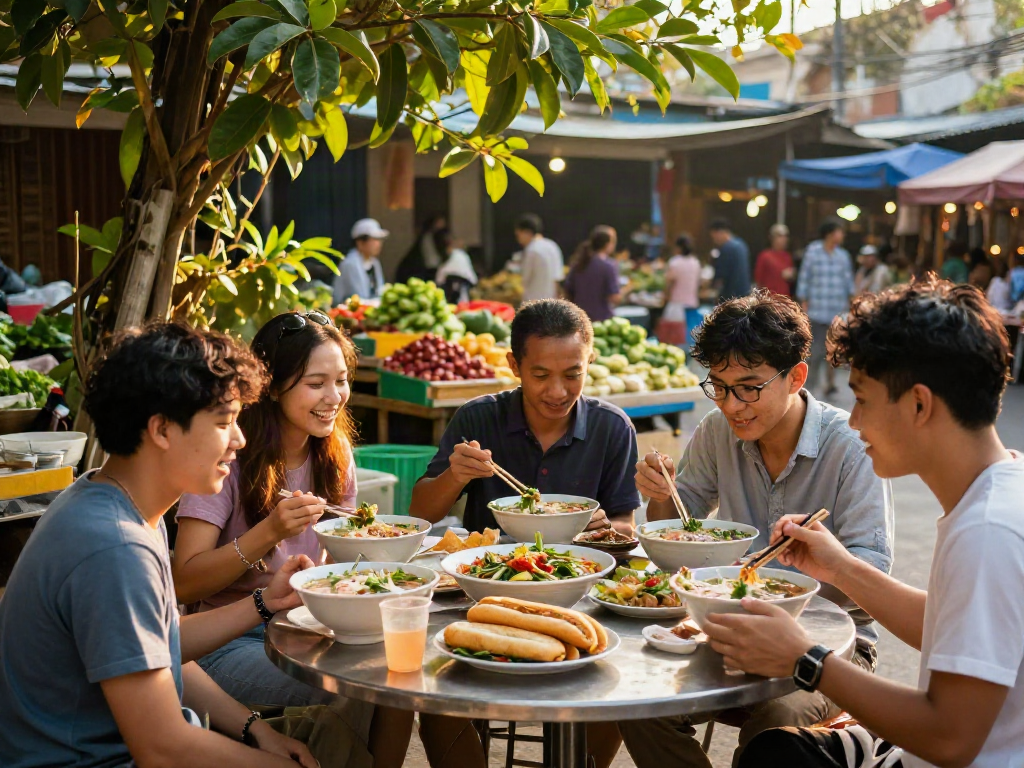
Understanding Vietnamese Cuisine and Culture
The rich tapestry of Vietnamese cuisine is intricately woven with cultural heritage, history, and local traditions. As travelers embark on their journeys, they encounter a culinary landscape that reflects the nation's diversity and vibrancy. Understanding the nuances of Vietnamese food helps travelers appreciate not just the dishes themselves but the stories and people behind them. For an extensive guide on navigating this culinary adventure, visit https://joeyvisavietnam.com/.
Key Ingredients in Traditional Dishes
At the heart of Vietnamese cuisine lies a unique mix of ingredients that create its distinctive flavors. Typical staples include rice, which serves as the foundation of many meals, and a variety of fresh herbs like basil, mint, and cilantro that are often used to enhance dishes. Fish sauce, known as nước mắm, is another essential element, imparting a savory, umami flavor profile that defines numerous traditional recipes.
- Rice: Essential in various forms, from steamed white rice to rice noodles.
- Herbs: Fresh herbs are crucial for flavor and presentation.
- Fish Sauce: This condiment is quintessential for authentic flavoring.
- Vegetables: Seasonal vegetables, like greens and roots, add crunch and nutrients.
Historical Influences on Modern Flavors
The history of Vietnam has significantly shaped its cuisine. Influences from ancient dynasties, neighbor countries like China, and colonial powers have all left their mark. For instance, the French colonial period introduced baguettes and coffee, which have now wonderfully melded into local culinary practices. This fascinating blend of history and modern adaptations is what makes Vietnamese cuisine a living testament to its past.
Cultural Significance of Food in Vietnamese Society
In Vietnam, food is more than mere sustenance; it is a vital cultural expression. Family meals often bring people together, emphasizing communal values. Festive occasions, like Tet, the Lunar New Year, feature traditional dishes that carry symbolic meanings, such as bánh chưng, which represents the Earth. Understanding these cultural nuances enriches the travel experience significantly.
Must-Try Dishes for Every Traveler
A trip to Vietnam would be incomplete without tasting its culinary staples. From bustling street markets to high-end restaurants, the options are vast and enticing. Here are some must-try dishes that should be on every traveler's list:
Iconic Street Foods to Savor
Street food is at the heart of Vietnam's culinary identity. Cities like Hanoi and Ho Chi Minh City are famous for their vibrant street food scenes where locals and tourists alike gather to enjoy delicious fare. Some of the most iconic street foods include:
- Phở: This beloved noodle soup features a fragrant broth and is often accompanied by beef or chicken.
- Bánh mì: A delicious sandwich that blends French influence with Vietnamese flavors.
- Gỏi cuốn: Fresh spring rolls filled with shrimp, herbs, and vermicelli, often served with peanut or hoisin sauce.
Regional Delicacies and Unique Preparations
Vietnam’s geography contributes to its diverse culinary offerings. Each region boasts unique dishes influenced by local ingredients and traditions. For example:
- Central Vietnam: Known for dishes like bún bò Huế, a spicy beef noodle soup.
- Southern Vietnam: Offers dishes like hủ tiếu, a versatile noodle soup with various proteins.
- Northern Vietnam: Famous for using fewer spices, focusing on the purity of flavors, as seen in dishes like chả cá Lã Vọng.
How to Find Authentic Local Experiences
To truly appreciate Vietnamese cuisine, seek out local experiences. This could involve dining in family-run restaurants, participating in cooking classes, or visiting local markets. Engaging with locals will not only provide insights into their culinary practices but also highlight the deep-rooted traditions that flavor every dish.
Dine Responsibly: Ethical Eating in Vietnam
As travelers become increasingly aware of their impact on local communities and environments, the concept of responsible dining becomes paramount. Here are ways to practice ethical eating while enjoying the culinary delights of Vietnam.
Supporting Local Communities Through Cuisine
When exploring Vietnamese cuisine, opt for local businesses and markets rather than international chains. This supports the local economy and fosters community growth. Look for eateries that source their ingredients sustainably and promote fair-trade practices.
Environmental Awareness in Food Choices
Be mindful of food choices that are environmentally sustainable. Favor dishes that utilize seasonal ingredients, reducing the carbon footprint associated with transportation. Additionally, consider participating in activities or tours that highlight sustainable food practices, such as organic farm visits.
Cultural Etiquette: Dos and Don’ts While Dining
Understanding cultural etiquette can enhance your dining experience. Here are some key dos and don’ts:
- Do: Share food and engage in conversations; communal dining is valued.
- Don’t: Point with your feet or use your left hand for eating, as it is considered disrespectful.
Planning Your Culinary Journey
To maximize the culinary experience, planning is essential. Here are key elements to consider when organizing your gastronomic adventure.
Best Times to Visit for Food Festivals
Many food festivals occur throughout the year in Vietnam, celebrating local ingredients and culinary traditions. The best times to visit include:
- Tet Festival: Celebrated in January or February, featuring traditional food preparations.
- Mid-Autumn Festival: In September or October, known for mooncakes and lantern festivities.
Top Culinary Tours in Major Cities
Culinary tours can provide invaluable context and deeper insights into the rich food culture of Vietnam. Cities like Hanoi and Ho Chi Minh City can be explored through guided tours that showcase local favorites and hidden gems.
Tips for Navigating Local Markets
Local markets are a treasure trove of experiences, offering fresh produce, street food, and local delicacies. To navigate these markets effectively:
- Learn Basic Vietnamese: A few phrases can go a long way in enhancing interactions.
- Be Open to Tasting: Don’t hesitate to try unfamiliar foods; they may surprise you.
- Observe Local Customs: Understanding the flow of the market will help you blend in and make the most of your visit.
Future Trends in Vietnamese Gastronomy
As Vietnam continues to evolve in the culinary world, several emerging trends are influencing its gastronomy landscape.
Emerging Fusion Trends and Their Impact
The fusion of traditional Vietnamese flavors with international cuisines is gaining popularity. Chefs are experimenting with unique combinations, offering dishes that retain their core Vietnamese essence while appealing to modern palates.
Predictions for Culinary Tourism Growth in 2026
Culinary tourism in Vietnam is poised for growth, driven by an increasing global interest in authentic, local dining experiences. By focusing on sustainability and community engagement, Vietnam could become a leader in the culinary tourism market.
How Local Chefs are Innovating Traditional Recipes
Renowned chefs are reinterpreting traditional recipes using contemporary techniques and presentations. This innovation not only preserves the essence of Vietnamese cuisine but also makes it accessible and appealing to a broader audience.
What to Expect from Contemporary Dining Experiences
Contemporary dining in Vietnam is characterized by a blend of tradition and avant-garde approaches. Expect to see farms-to-table concepts, elevated street food experiences, and an emphasis on sustainability and ethical sourcing among the rising culinary stars.