
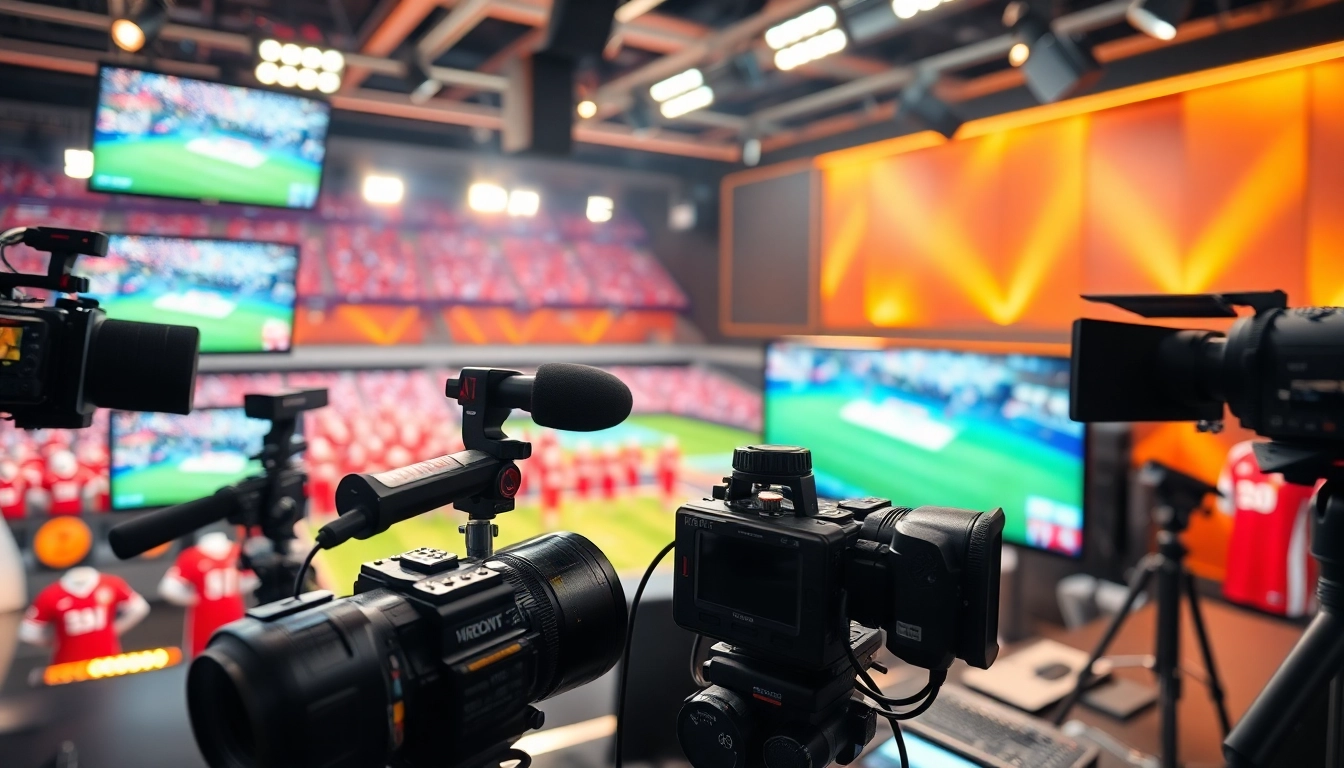
The Importance of Sports Broadcasting
Sports broadcasting plays a crucial role in connecting fans with their favorite games, athletes, and teams. Beyond merely airing events, it serves as a vital communication channel, enriching the viewing experience and fostering a sense of community among sports enthusiasts. With the advent of multiple platforms, the landscape of Sports Broadcasting has transformed, creating a more interactive and engaging environment for audiences worldwide.
Understanding the Role of Sports Broadcasting
At its core, sports broadcasting encompasses the live coverage, analysis, and commentary of sporting events. It is not limited to merely showing a game; it involves storytelling, detailed analysis, and creating an atmosphere that captures the essence of the sport. Broadcasters have the responsibility to inform viewers of player stats, team history, and the intricate strategies being employed during the event. This engagement turns a simple viewing experience into an immersive narrative.
Key Benefits for Viewership
The advantages for viewers are manifold. Firstly, they receive real-time updates and insights that enhance their understanding of the game. Secondly, the connection established through broadcasting fosters a sense of belonging among fans. They can share experiences and emotions with others watching the same event, both in-person and globally. Additionally, high-quality broadcasting delivers expert commentary and highlights that keep audiences engaged even when they miss live events.
Challenges in Engaging Audiences
Despite its importance, sports broadcasting faces several challenges in engaging audiences. With the rise of on-demand content, viewers often prefer to watch games at their convenience, leading to lower live viewership. Furthermore, the competition from streaming platforms and social media means that traditional broadcasters must continually innovate to capture and retain viewer interest. Addressing these challenges requires a strategic approach to content delivery and audience engagement.
Current Trends in Sports Broadcasting
Rise of Digital Platforms
The emergence of digital platforms has revolutionized sports broadcasting. Traditional cable networks are competing with online streaming services that offer flexible viewing options and personalized content. Services like live streaming are becoming more popular, allowing fans to watch games on their devices, anytime and anywhere. This shift not only impacts how audiences consume content but also necessitates that broadcasters adapt to meet changing consumer behaviors.
Impact of Social Media
Social media has become a pivotal tool in sports broadcasting, providing real-time updates and engaging with fans on a more personal level. Platforms like Twitter, Instagram, and TikTok enable broadcasters to share highlights, behind-the-scenes content, and live reactions. This increased interaction helps build a community around sports and enhances the overall experience for fans, who can participate in discussions and share their perspectives directly with others.
Innovative Technologies Enhancing Delivery
New technologies continue to enhance sports broadcasting. Innovations such as augmented reality (AR) and virtual reality (VR) offer immersive experiences that were previously unimaginable. For instance, AR can provide viewers with enhanced statistics during live broadcasts, while VR can transport fans into the stadium from the comfort of their homes. These technologies not only improve engagement but also redefine what it means to experience a sporting event.
Strategies for Effective Sports Broadcasting
Audience Engagement Techniques
Effective audience engagement is essential for successful sports broadcasting. Strategies such as interactive polls, live Q&A sessions, and gamified experiences can significantly enhance viewer participation. Broadcasters should consider adopting multi-angle views and alternate commentary options to cater to diverse audience preferences. The more involved viewers feel, the more likely they are to return for future broadcasts.
Enhancing Content Quality
Content quality is paramount in retaining and attracting viewers. High-definition broadcasts with superior audio-visual quality combined with insightful commentary create a more enjoyable experience. Additionally, including diverse perspectives from former athletes, analysts, and fan interactions can enrich the storytelling aspect of broadcasts. Quality content ensures audiences remain engaged and invested in the viewing experience.
Utilizing Data Analytics
Data analytics plays a significant role in modern sports broadcasting. By analyzing viewer behaviors and preferences, broadcasters can tailor their content to meet audience expectations. Understanding which segments generate the most engagement allows for smarter programming and promotional strategies. Moreover, harnessing performance analytics can enhance pre-game and post-game commentary, providing deeper insights into teams and players.
Case Studies of Successful Sports Broadcasting
Analyzing Best Practices
Studying successful sports broadcasting case studies can offer valuable lessons. Broadcasters who have embraced change and innovation tend to see enhanced viewer numbers and engagement. For instance, those who utilize fan-generated content and social media interactions can create a more relatable broadcasting experience. Continuous adaptation to new trends is essential for maintaining relevance in the fast-changing media landscape.
Lessons from Industry Leaders
Industry leaders often set benchmarks in effective sports broadcasting. Their successful strategies include leveraging technology to enhance viewer engagement and utilizing diverse content formats that cater to different audience segments. Learning from these leaders provides insights into how to remain competitive and innovative in the broadcasting arena. Implementing these lessons can strengthen a broadcaster's position in the market.
Future-Proofing Broadcasting Strategies
To remain relevant, sports broadcasters must adopt forward-thinking strategies that embrace technological advancements and changing viewer demands. Fostering partnerships with tech companies can help broadcasters integrate the latest innovations seamlessly. Furthermore, creating hybrid content that blends live experiences with pre-recorded material can cater to evolving consumption preferences, ensuring sustainable audience engagement.
Measuring Success in Sports Broadcasting
Key Performance Indicators
Measuring the success of sports broadcasting involves tracking key performance indicators (KPIs). Essential metrics include viewer count, engagement rates, share of voice on social media, and viewer retention rates. Analyzing these KPIs allows broadcasters to understand their audience better and adjust strategies accordingly. Additionally, audience demographics can provide insights into market trends and potential growth areas.
Gathering Viewer Feedback
Collecting viewer feedback is crucial for continuous improvement in sports broadcasting. Surveys, social media polls, and direct listener feedback channels can provide valuable insights into audience preferences and dissatisfaction. By actively listening to responses, broadcasters can make informed changes that enhance the viewer experience, ensuring they meet audience expectations effectively.
Continuous Improvement Plans
A commitment to continuous improvement is vital for the evolution of sports broadcasting. Regularly reviewing performance data, audience feedback, and industry trends enables broadcasters to stay ahead of the curve. Developing agile strategies that allow quick pivots in response to feedback or market changes is essential for long-term success in an increasingly competitive space.
Frequently Asked Questions
What is sports broadcasting?
Sports broadcasting refers to the coverage and dissemination of live sports events, highlights, and analysis through various media channels, including television, radio, and online platforms.
How has technology changed sports broadcasting?
Technology has revolutionized sports broadcasting through advances like high-definition video, social media integration, and augmented/virtual reality, enhancing viewer engagement and experience.
Why is audience engagement important in sports broadcasting?
Audience engagement is crucial as it fosters a connection between viewers and the sport, enhancing loyalty and viewership while providing opportunities for broadcasters to tailor content to preferences.
What are key performance indicators in sports broadcasting?
Key performance indicators include viewer count, engagement rates, social media interactions, and retention rates, all crucial for evaluating the effectiveness of broadcasting strategies.
How can broadcasters improve content quality?
Broadcasters can enhance content quality by investing in high production values, employing expert analysis, and implementing diverse storytelling approaches that resonate with audiences.